

Data Logs and AI Decision-Making in Autonomous Vehicle Crashes
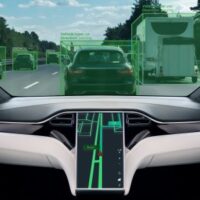
Autonomous vehicles do far more than drive. They constantly collect, process, and store information about the road, the vehicle’s surroundings, driver activity, and the system’s own decision-making process. After a crash, that digital record can become some of the most important evidence in the entire case.
For injured victims, autonomous vehicle litigation quickly turns into a battle over data. The central question is no longer limited to who ran a red light or failed to brake in time. Lawyers, manufacturers, and forensic experts instead examine whether the vehicle detected a hazard, how the artificial intelligence system classified the danger, whether warnings were issued, and what the vehicle attempted to do in the seconds before impact.
Working with an experienced Alpharetta self-driving vehicle accidents lawyer early after a crash can help injured victims understand how vehicle data, software decisions, and manufacturer records may affect liability and financial recovery.
Autonomous Vehicles Constantly Generate Crash Evidence
Modern autonomous and semi-autonomous vehicles function as rolling data systems. Cameras, radar sensors, lidar systems, GPS technology, steering controls, braking systems, and onboard computers continuously communicate with each other while recording operational information.
Following a collision, investigators may review vehicle speed, steering inputs, acceleration patterns, braking activity, lane positioning, object detection data, driver override attempts, and software responses. Some systems also record whether the driver was paying attention, touching the steering wheel, or responding to warnings before the crash occurred.
This information can dramatically change the direction of a personal injury claim. A manufacturer may argue that the driver failed to intervene when prompted. The driver may argue that the vehicle never issued a warning or misidentified a roadway hazard. The recorded data frequently becomes the starting point for reconstructing what occurred before impact.
Beyond the Traditional Vehicle “Black Box”
Many drivers are familiar with the concept of a vehicle “black box,” formally known as an event data recorder. Traditional event data recorders capture limited crash information such as speed, braking activity, seatbelt usage, and airbag deployment.
Autonomous vehicles operate very differently. Internal system logs can show how the software evaluated roadway conditions, tracked nearby vehicles, identified obstacles, and selected driving actions in real time. Some systems record multiple possible responses before the vehicle chooses a maneuver.
Manufacturers may also maintain cloud-based records tied to vehicle performance, software behavior, and remote diagnostics. Investigators sometimes need both onboard information and remotely stored records to fully evaluate how the autonomous system functioned before the collision.
AI Decision-Making Creates New Liability Questions
Artificial intelligence systems do not perceive danger the same way human drivers do. Autonomous driving software relies on predictive modeling, machine learning, sensor interpretation, and programmed response structures.
After a crash, investigators often examine how the software classified the situation. Did the system recognize a pedestrian? Did it incorrectly identify an object near the roadway? Did the vehicle fail to predict another driver’s movement? Did the software prioritize one maneuver over another based on its programming?
These cases create legal questions that rarely appear in ordinary motor vehicle litigation. A vehicle may react exactly as designed and still create a dangerous result. Manufacturers frequently argue the system functioned properly under the circumstances, while injured victims may argue the programming itself created an unreasonable safety risk.
Software Updates, Warnings, and Known System Problems
Autonomous driving systems regularly receive software updates that modify vehicle behavior, improve detection systems, and address operational problems. Following a crash, investigators frequently examine whether the vehicle had current software installed and whether earlier versions contained known safety concerns.
Internal company testing records, recall notices, engineering communications, and update histories can become highly relevant in litigation. Some lawsuits focus heavily on what manufacturers knew about system limitations before the collision occurred and whether those concerns were adequately addressed.
Driver instructions and marketing materials may also become important. Some manufacturers promote autonomous features using language that creates unrealistic expectations about how independently the vehicle can operate. A driver who believed the system could safely function without intervention may present a very different liability picture than a driver who ignored clear operational restrictions.
Guidance from an Alpharetta self-driving vehicle accidents attorney can help when disputes arise over software limitations, system warnings, or manufacturer representations about autonomous driving capabilities.
Internal Testing Records and Proprietary System Data
Autonomous vehicle companies aggressively protect proprietary software systems and internal engineering records. Plaintiffs pursuing these claims frequently encounter resistance when requesting source code information, testing data, system architecture records, or internal communications discussing known problems.
Discovery disputes become common because manufacturers may argue that critical technical information constitutes confidential intellectual property or protected trade secrets. Courts are then asked to balance corporate confidentiality concerns against an injured victim’s right to obtain evidence relevant to the crash.
Some of the most important information in these cases may involve internal testing failures, prior similar incidents, known detection problems, or engineering discussions about system limitations involving pedestrians, cyclists, roadway markings, weather conditions, or emergency vehicles.
How Autonomous Vehicle Cases Differ From Traditional Car Accident Claims
Traditional car accident litigation usually centers on driver conduct. Autonomous vehicle cases expand the investigation into software performance, engineering decisions, corporate safety practices, and product liability issues.
The legal strategy changes significantly once autonomous systems become involved. These cases often require coordination between accident reconstruction experts, software specialists, engineers, and forensic investigators capable of analyzing highly technical information.
Corporate defendants may also include vehicle manufacturers, software developers, component suppliers, commercial fleet operators, or technology companies involved in the autonomous driving platform itself. Litigation can quickly become more complex than an ordinary negligence claim involving two drivers.
Self-Driving Vehicle Litigation Often Becomes More Complex
Self-driving vehicle litigation frequently moves beyond ordinary accident reconstruction and into broader disputes involving corporate records, technical analysis, software interpretation, and competing engineering opinions.
Manufacturers and technology companies often begin investigating these crashes immediately after they occur. Injured victims may face corporate legal teams, technical consultants, and insurers already working to frame how the collision occurred and whether the autonomous system operated properly.
Cases involving autonomous technology can also require extensive document review, forensic analysis, and expert testimony explaining highly technical concepts to juries unfamiliar with autonomous driving systems and artificial intelligence decision-making.
Why Early Legal Guidance Matters in Autonomous Vehicle Cases
Autonomous vehicle litigation frequently depends on technical records that most drivers never realize exist until after a collision. System logs, sensor recordings, software response data, and remote diagnostic records can become central evidence when investigators attempt to reconstruct how the vehicle interpreted roadway conditions before the crash.
Electronic crash information can also disappear quickly. Some autonomous vehicle systems overwrite operational logs after additional vehicle usage or after a period of time. Physical damage to the vehicle may compromise stored information, while manufacturers and corporate defendants often begin evaluating the incident immediately after the collision occurs.
Early legal guidance can help injured victims evaluate potential claims involving software failures, defective vehicle systems, corporate negligence, and disputed technical evidence before critical information becomes more difficult to obtain.
Contact Cheeley Law Group
If you were injured in a crash involving autonomous driving technology, the evidence determining liability may already exist inside the vehicle’s data systems. Understanding how autonomous vehicles record, process, and respond to roadway conditions can become central to proving what happened and who bears responsibility for the collision.
Cheeley Law Group represents individuals seriously injured in complex motor vehicle litigation involving emerging technologies and disputed fault issues. Contact Cheeley Law Group to speak with an experienced Alpharetta self-driving vehicle accidents lawyer about your legal options after a crash involving autonomous driving technology.
Sources:
- National Highway Traffic Safety Administration — Automated Vehicles for Safety
nhtsa.gov/technology-innovation/automated-vehicles-safety - Insurance Institute for Highway Safety — Advanced Driver Assistance and Automation
iihs.org/topics/advanced-driver-assistance