

Autonomous Vehicles and the Duty to Maintain Control: What Georgia Drivers Need to Know
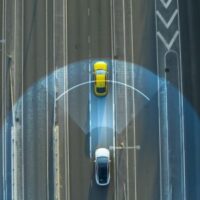
Self-driving technology can take over more of the driving task than many motorists would have imagined a few years ago. Some systems steer, brake, accelerate, maintain distance from traffic, and change lanes with limited input from the person behind the wheel. That can create uncertainty after a serious car wreck when the vehicle was driving itself moments before impact.
Georgia law distinguishes between vehicles that still require driver supervision and fully autonomous vehicles capable of performing the driving task on their own. After a serious self-driving car accident, that distinction can affect who was expected to react when danger developed.
After a collision involving automated driving technology, an experienced Alpharetta self-driving vehicle accident lawyer can help determine how the division of control between the driver and the automated system may affect responsibility for the crash.
“Self-Driving” Technology Can Still Leave the Driver in Charge
Many passenger vehicles described as “self-driving” still require the person behind the wheel to supervise the road. A system may keep the vehicle centered in its lane, adjust speed around traffic, or perform other driving functions without relieving the motorist of responsibility for watching the road.
Georgia Code § 40-1-1 distinguishes automated driving systems from fully autonomous vehicles. A fully autonomous vehicle must be capable of performing the entire dynamic driving task within its operating domain without requiring a person to take over.
A driver who believed the vehicle could handle the road independently may still have been using technology that required continuous supervision. The manufacturer may point to warnings or operating instructions requiring driver attention, while the driver may argue that the way the system performed or was promoted encouraged greater reliance on automation.
Georgia’s Due Care Rule Still Applies When the Driver Must Supervise
Drivers using technology that requires supervision remain responsible for safely operating the vehicle. Georgia Code § 40-6-241 requires drivers to exercise due care and prohibits conduct that distracts them from safely operating a vehicle.
After a self-driving car accident, the driver’s conduct in the moments before impact may become part of the liability dispute. Looking at a phone, turning attention away from traffic for an extended period, or ignoring repeated requests to resume control can support an argument that the driver failed to respond as required.
Automated steering or braking may perform much of the physical driving while leaving the motorist responsible for watching traffic and responding when necessary. If the system required continuous supervision, a long period of driver inattention can carry very different consequences from a brief delay after an unexpected takeover request.
Takeover Warnings May Come Too Late to Prevent a Crash
Automated systems can encounter conditions they cannot safely handle. When that happens, some vehicles alert the driver and request that the person resume control.
A takeover warning may leave only seconds for the driver to recognize the danger and respond. A motorist may need several moments to understand what the automated system is doing, take physical control, and decide whether to brake, steer, or take another evasive action. At highway speeds, a short delay can cover a substantial distance.
After the wreck, a manufacturer may contend that the vehicle gave the driver enough time to intervene. The driver may respond that the alert came only after the dangerous situation had already developed or that the system gave little indication that control was about to be returned.
If the system waited until the danger was already developing before requesting intervention, the driver may have had only seconds to recognize the problem and respond.
Fully Autonomous Vehicles Present a Different Control Question
Georgia law allows certain fully autonomous vehicles to operate without a person performing the driving task. Under Georgia Code § 40-8-11, a qualifying fully autonomous vehicle may operate with its automated driving system engaged and without a human driver present when the statutory requirements are satisfied.
A fully autonomous vehicle places responsibility for the driving task in the automated system rather than an occupant who was never expected to take the wheel.
When the automated system was responsible for the entire driving task, a failure to brake, steer, or respond safely to traffic can shift the crash investigation toward the companies responsible for the vehicle’s operation. Someone riding in a fully autonomous vehicle may have had no driving responsibility when the collision occurred.
Manufacturer Warnings Can Shape the Driver-Control Dispute
Automated driving technology often comes with restrictions on where and how it should be used. A feature may be designed for divided highways, certain speeds, clear lane markings, or specific roadway conditions. The driver may be expected to remain attentive even while the system performs most of the immediate driving functions.
Drivers may receive those restrictions through dashboard alerts, operating instructions, or warnings displayed when the automated feature is activated. A prominent alert telling the driver to remain ready to intervene presents a different factual picture from an important limitation buried deep in an owner’s manual.
Marketing that emphasizes hands-free or automated capability can also affect how a motorist understood the technology before using it. The wording, placement, and timing of a warning can affect what the driver reasonably understood about the system before relying on it.
Determining Who Had Control After a Serious Self-Driving Car Wreck
Partially automated vehicles can shift driving tasks back and forth during the same trip. A motorist may drive normally through an Alpharetta neighborhood, activate an automated feature on a highway, receive a request to take over, and then resume manual driving. A collision occurring during one of those transitions can leave the driver and manufacturer with sharply different accounts of who was responsible.
A serious self-driving car wreck can leave someone facing surgery, rehabilitation, missed work, vehicle damage, and months of uncertainty while the driver and manufacturer dispute responsibility for the collision.
When the driver and manufacturer give different accounts of who should have been controlling the vehicle, guidance from an experienced Alpharetta self-driving vehicle accident lawyer can help address a disputed-liability claim involving the driver’s responsibilities and the vehicle’s automated operation.
Contact Cheeley Law Group
If you or a loved one suffered serious injuries in a self-driving vehicle accident, responsibility may be disputed between the driver and the companies behind the automated technology. What the vehicle was doing before impact and what the driver was expected to do can help establish responsibility for the crash.
Cheeley Law Group represents people seriously injured in motor vehicle crashes involving complex questions of fault. Contact us to speak with an experienced Alpharetta self-driving vehicle accident lawyer and learn how we can help pursue compensation when responsibility for a serious crash involving automated driving technology is disputed.
Sources:
- Georgia Code § 40-1-1 — Definitions
law.justia.com/codes/georgia/title-40/chapter-1/article-1/section-40-1-1/ - Georgia Code § 40-6-241 — Due Care and Distracted Driving
law.justia.com/codes/georgia/title-40/chapter-6/article-11/section-40-6-241/ - Georgia Code § 40-8-11 — Autonomous Vehicles
law.justia.com/codes/georgia/title-40/chapter-8/article-1/part-1/section-40-8-11/ - National Highway Traffic Safety Administration — Automated Vehicles for Safety
nhtsa.gov/vehicle-safety/automated-vehicles-safety