

How Autonomous Vehicle Technology Could Change Accident Reconstruction in Georgia
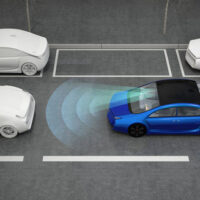
A crash involving autonomous vehicle technology does not get sorted out the same way as an ordinary car wreck. Skid marks, crush damage, road layout, and speed still matter, but they do not answer everything on their own. The harder questions can sit inside the technology itself. What was the system doing before impact? What did it detect? Was the human occupant supposed to be driving, monitoring, or taking over?
That changes the way a serious injury claim unfolds. A police report and scene photographs still matter, but they may only capture part of what shaped the collision. Logs, update history, camera and radar information, and records showing who or what was expected to control the driving task can become just as important. Legal review from a knowledgeable Alpharetta self-driving vehicle accident lawyer can help keep the focus on the technology, the roadway environment, and the sequence that led to impact instead of letting the defense reduce the wreck to an ordinary driver-error story.
Georgia Law Recognizes Fully Autonomous Vehicle Operation
Georgia already recognizes that a fully autonomous vehicle can operate with the automated driving system engaged without a human driver present in the vehicle if the statutory requirements are satisfied. Under O.C.G.A. § 40-8-11, that possibility is built into the legal framework from the start. That alone changes the baseline for reconstruction. The analysis does not always begin with a person steering, braking, and making every driving decision by hand.
That shift matters because the first reconstruction questions can look very different. Instead of starting only with a driver’s reaction time or lookout, the focus can move to the system itself. Investigators may need to know whether the automated system was controlling the vehicle, whether it was operating inside the conditions contemplated by law, and what it was doing in the seconds before the crash.
Georgia Law Also Affects the First Response After the Crash
Georgia also addresses what happens at the scene when a fully autonomous vehicle is involved in a crash while the automated driving system is engaged. Under O.C.G.A. § 40-6-279, certain accident-scene duties are deemed satisfied if the vehicle remains at the scene as required and the vehicle or operator promptly contacts law enforcement and communicates the required information.
That can shape the first version of events. In a typical wreck, the first account often comes from a human driver standing beside the damaged vehicle. In a fully autonomous vehicle crash, the first flow of information can come through the operator or the system instead. For reconstruction purposes, that changes how the earliest facts are received, recorded, and checked against the physical evidence.
Reconstruction Will Depend More on Vehicle Data
Autonomous-technology crashes push reconstruction toward a much heavier review of machine-generated information than an ordinary collision usually requires. Traditional reconstruction still looks at roadway evidence, vehicle damage, rest positions, weather, lighting, and witness accounts. Autonomous technology adds another layer. Investigators often need to know when the automated system was engaged, what it detected around the vehicle, what alerts it generated, how it classified objects, and what braking or steering inputs it made before impact.
That can move digital records close to the center of the dispute. Event data recorders have long played a role in crash cases, but autonomous-technology wrecks can involve logs that go far beyond speed and braking inputs. Camera feeds, radar inputs, perception logs, object tracking, and system-decision records can all help explain what the vehicle registered and how it responded. A reconstruction that once leaned mainly on physical evidence can turn on the quality, preservation, and interpretation of those records.
The Human Role Can Look Different in an Autonomous-Vehicle Crash
Autonomous technology does not erase the human role. It changes it. One of the hardest questions after this kind of crash can be the human occupant’s role in the moments before impact. Was that person actively driving, simply riding, monitoring the system, or expected to take over after a warning? The answer can look very different depending on the technology involved. A vehicle with advanced driver-assistance features is not operating on the same footing as a vehicle using a higher level of automation, and reconstruction can lose its way quickly if that distinction is ignored.
That difference can also change the liability fight. One side may argue that the human occupant failed to respond in time. The other may argue that the system was not designed to hand the driving task back under those conditions or that any warning came too late to matter. The real dispute can turn on handoff timing, driver attention, system design, and what the vehicle communicated before the crash.
Software Limits and Operating Conditions Can Become Central
Autonomous-vehicle reconstruction also has to account for the limits built into the system. Some systems are designed for limited routes, limited speeds, clear weather, or specific roadway environments. A meaningful reconstruction may require a close look at the conditions surrounding the crash and at how those conditions matched, or failed to match, the system’s intended operating domain.
That can bring software behavior into focus in a way ordinary wrecks rarely do. Investigators may need to look at the software version in use, any update that changed driving behavior, known trouble in similar settings, and the performance of the vehicle’s sensors or mapping tools. Early legal guidance from an Alpharetta self-driving vehicle accident lawyer can help identify which technology-specific records deserve immediate attention before the vehicle is repaired, the data is overwritten, or the software environment changes.
Preservation Pressure Starts Earlier in These Cases
Autonomous-vehicle crashes put more weight on early preservation than ordinary car wrecks do. Physical evidence still matters, but it rarely tells the whole story by itself. Delay can mean loss of system logs, changes to stored data, software updates, or incomplete access to records held by a manufacturer, fleet operator, or technology company. Once that information is gone, reconstruction becomes far more dependent on the defense’s version of what the system supposedly did.
The first response after a crash can shape the entire dispute. The vehicle itself can need preservation. Electronic logs often need to be identified quickly. Maintenance records, software version history, and available video or sensor data can all deserve attention before they change or disappear. In a crash involving autonomous technology, reconstruction grows more precise as the data improves and more uncertain as the data disappears.
Contact Cheeley Law Group
If you were hurt in a Georgia crash involving autonomous vehicle technology, reconstruction can depend on much more than a standard police report and photographs from the scene. Cheeley Law Group represents injured people in serious Georgia vehicle-collision claims where technology, driver role, and system behavior shape the fight over fault and compensation.
Contact us to speak with a trusted Alpharetta self-driving vehicle accident lawyer about protecting the evidence, understanding how the technology affected the crash, and building the story around what actually happened.
Sources:
- Justia, Georgia Code § 40-8-11, Operational Rules for Fully Autonomous Vehicles
law.justia.com/codes/georgia/title-40/chapter-8/article-1/part-1/section-40-8-11/ - Justia, Georgia Code § 40-6-279, Accidents Involving Fully Autonomous Vehicles
law.justia.com/codes/georgia/title-40/chapter-6/article-12/section-40-6-279/ - NHTSA, Automated Vehicle Safety
nhtsa.gov/vehicle-safety/automated-vehicles-safety