

North Fulton Police Warnings About Children on High-Speed E-Bikes Raise New Liability Questions
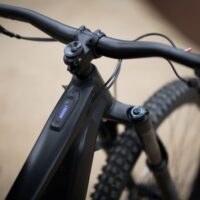
Electric bicycles have become common in Alpharetta and surrounding North Fulton neighborhoods. Children use them to visit friends, attend school activities, or travel through subdivisions without relying on a parent for every trip. Some vehicles sold as e-bikes, however, can reach speeds closer to a motorcycle than a traditional bicycle.
Roswell police recently warned parents that children were operating high-powered electric vehicles they were too young to ride legally or were using in prohibited locations. When a child is injured on a vehicle marketed as an e-bike, an experienced Alpharetta e-bike accident lawyer can pursue claims against those responsible for the unsafe vehicle or the collision.
Roswell Police Put High-Speed Youth E-Bikes Under Scrutiny
In May 2026, Roswell police warned parents about a rise in children riding high-powered e-bikes and electric motorcycles. Officers reported concerns about crashes and young riders using the vehicles on sidewalks, in parks, and along multi-use trails.
Police urged parents to look beyond the e-bike name. Some popular models operate more like electric motorcycles and cannot legally be used by children who lack the required age, license, or protective equipment.
Pedals and a bicycle-style frame can make a high-powered vehicle appear suitable for neighborhood riding. Once parents learn that a model falls outside Georgia’s e-bike rules, continued use can raise questions about permission, supervision, and responsibility after a crash.
Some High-Powered Models Are Not Legal E-Bikes
Georgia law separates electric-assisted bicycles into three classes. Class 1 models provide motor assistance only while the rider pedals and stop assisting at 20 mph. Class 2 models can move through a throttle without pedaling but cannot reach 20 mph under motor power. Class 3 models provide pedal assistance up to 28 mph. Georgia Code § 40-6-300 defines those categories.
A legal e-bike also has working pedals, a saddle, and a motor rated at no more than 750 watts. A model with greater power or continued motor assistance beyond Georgia’s speed limits may fall outside the e-bike classification.
Classification determines which rules apply before the collision. A qualifying e-bike is generally treated like a bicycle, while a high-powered electric motorcycle can trigger licensing, registration, insurance, and equipment requirements.
Motor output, controller settings, throttle operation, and later modifications can establish the vehicle’s actual capabilities. Calling a 40-mph model an e-bike does not bring it within Georgia’s three-class system.
Vehicle Classification Changes the Rules for Young Riders
A qualifying e-bike generally receives the same roadway treatment as a traditional bicycle. Age and helmet restrictions still apply, particularly to Class 3 models.
Georgia requires Class 3 riders to be at least 15 years old. Class 3 operators must wear helmets, and riders under 16 also face helmet requirements when using other bicycles or e-bikes.
Children riding vehicles outside the e-bike definition face a different legal situation. A 13-year-old cannot legally operate an electric motorcycle on a public street merely because a product listing described it as an e-bike or a parent allowed its use.
Illegal operation can become part of an injury claim, but it does not excuse another person’s negligence. A driver who speeds through a neighborhood or turns across a bicycle lane without checking can still share responsibility.
Parents Can Face Liability for Allowing Unsafe Use
Parental responsibility depends on more than who bought the vehicle. Knowledge and control can carry greater weight after a child injures another person.
A parent can face a negligent-entrustment claim after knowingly allowing a child to use a dangerous vehicle despite the child’s age, inexperience, or pattern of unsafe riding. Proof requires facts showing that the parent knew about the risk before the collision.
Neighbor complaints, prior speeding, police warnings, or knowledge that the vehicle required a license can help establish that notice. Continued permission after those warnings can support a claim based on the parent’s own decisions.
Purchase records, speed-control settings, access to keys or chargers, and household rules can also show who controlled the vehicle and where the child was allowed to ride.
Retailer Descriptions Can Shape an Injury Claim
Parents often rely on retailers to explain speed, age restrictions, and legal riding locations. A listing that presents a 40-mph electric motorcycle as a youth e-bike can influence a purchase while omitting facts that might have changed the family’s decision.
Georgia Code § 40-6-302 requires qualifying e-bikes manufactured after January 1, 2020, to carry a permanent label identifying the vehicle’s class, top assisted speed, and motor wattage. A missing, altered, or inaccurate label can support a claim that the buyer received misleading information.
Under Georgia Code § 11-2-313, a factual promise or product description can become part of the purchase and require the goods to match what the seller represented. Formal words such as “warranty” or “guarantee” are not always necessary.
Retailer conduct can extend beyond advertising. An employee may have recommended the model for a child, claimed that no license was required, removed a speed limiter, or increased the vehicle’s power. Archived product pages, messages, packaging, and manuals can preserve those representations.
A Defective E-Bike Can Add Product Liability to the Claim
A defect can affect how an e-bike accelerates, handles, or stops. A sticking throttle may cause sudden acceleration, while inadequate brakes or faulty steering components can make a heavy vehicle difficult to control. Battery failures can also cause burns and property damage.
Manufacturers and distributors can bear responsibility when a defect causes or worsens an injury. A retailer or repair shop may also share fault after installing incompatible parts, bypassing speed restrictions, or returning an unsafe vehicle to the family.
Rider conduct and product defects require separate consideration. A child may make a riding mistake, but failed brakes or unintended acceleration can still contribute to the collision. Preserving the damaged vehicle can help establish its mechanical condition.
Fault May Extend Beyond the Child Riding the E-Bike
An insurance company may focus on the child’s age, speed, helmet use, or riding location. Those facts do not erase unsafe conduct by a driver, parent, retailer, manufacturer, or repair shop.
Georgia Code § 51-12-33 allows fault to be divided among the people and businesses that contributed to an injury. A claimant’s share of responsibility can reduce compensation, while responsibility of 50 percent or more can prevent recovery.
A collision could involve a driver who entered a bicycle lane without checking, a retailer that understated the vehicle’s speed, a parent who allowed continued use after warnings, or a braking defect that prevented the child from stopping. Each party’s conduct requires separate proof.
Serious e-bike collisions can leave a child with brain injuries, spinal damage, fractures, scarring, or permanent mobility limits. Families may spend months managing treatment and school absences while insurers dispute responsibility.
After a child is injured on a high-speed electric vehicle, an Alpharetta electric bicycle accident attorney can pursue accountability from those whose conduct caused the collision or contributed to the harm.
Contact Cheeley Law Group
If your child suffered serious injuries while riding an e-bike or after being struck by a high-powered electric vehicle, your family may have claims against more than one responsible party. Driver negligence, misleading sales information, known unsafe use, and the vehicle’s actual capabilities can each affect the right to recover compensation.
At Cheeley Law Group, we represent riders injured in e-bike collisions in Alpharetta, North Fulton, and throughout Georgia. Contact us to speak with a trusted Alpharetta e-bike accident lawyer and learn how our team can help your family pursue accountability and compensation after a serious e-bike accident.
Sources:
- Georgia Code § 40-6-300, Electric-Assisted Bicycle Classifications
law.justia.com/codes/georgia/title-40/chapter-6/article-13/part-1a/section-40-6-300/ - Georgia Code § 40-6-302, E-Bike Labels and Equipment
codes.findlaw.com/ga/title-40-motor-vehicles-and-traffic/ga-code-sect-40-6-302/ - Georgia Code § 11-2-313, Express Warranties Created by Product Representations
law.justia.com/codes/georgia/title-11/article-2/part-3/section-11-2-313/ - Georgia Code § 51-12-33, Comparative Fault and Apportionment
law.justia.com/codes/georgia/title-51/chapter-12/article-2/section-51-12-33/ - CBS News Atlanta, “Roswell Police Warn Parents After Rise in Kids Riding Illegal High-Powered E-Bikes”
cbsnews.com/atlanta/news/roswell-police-warn-parents-after-rise-in-kids-riding-illegal-high-powered-e-bikes/