

Liability and Insurance Coverage After a Weather-Related Truck Crash in Georgia
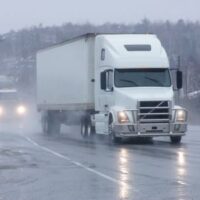
Heavy rain can turn a Georgia highway into a dangerous stretch of road within minutes. Visibility drops, standing water collects between lanes, and stopping distances increase. Fog, high winds, and icy pavement create added risks for commercial trucks because their size and weight leave drivers less room to recover once control begins to slip.
Bad weather does not erase responsibility for the decisions made behind the wheel or inside the trucking company. Drivers must respond as conditions deteriorate, while carriers remain responsible for the schedules they impose, the equipment they send onto the road, and the safety practices they expect drivers to follow. Working with an experienced Alpharetta truck accident lawyer can help determine whether the weather created an unavoidable danger or exposed choices that made the crash more likely.
Bad Weather Changes How a Truck Should Be Operated
A posted speed limit does not mean a commercial truck can safely maintain that speed through heavy rain, dense fog, or icy pavement. Commercial drivers must respond to the roadway in front of them, even when that requires slowing well below the limit or stopping until conditions improve.
Federal trucking rules recognize the danger. Under 49 C.F.R. § 392.14, commercial drivers must use extreme caution when hazardous conditions affect visibility or traction. Drivers are expected to reduce speed and stop operating when the vehicle can no longer be driven safely.
A driver who sees conditions worsening but continues without slowing down or stopping can still be responsible for the crash. Highway speed in limited visibility, a short following distance on wet pavement, or abrupt braking on ice can leave a fully loaded truck with no safe way to recover.
Commercial drivers must also account for the truck’s longer stopping distance and limited maneuverability. A passenger vehicle may still have room to brake or change lanes, while a tractor-trailer traveling behind it cannot respond nearly as quickly.
The Trucking Company’s Decisions Can Also Come Under Scrutiny
A truck driver’s choices do not happen in isolation. Dispatch instructions, delivery schedules, maintenance practices, and company safety expectations can influence what happens once bad weather moves in.
A dispatcher who pressures a driver to continue through worsening conditions can affect decisions made behind the wheel. A company that rewards unrealistic delivery times can create the same pressure without issuing a direct command. Internal messages and routing records may show that stopping or waiting for the storm to pass would have placed the driver behind schedule.
Equipment problems that seem manageable on a dry road can become dangerous once traction and visibility deteriorate. Worn tires increase the risk of hydroplaning, while defective brakes add distance to every stop. Faulty lights, windshield wipers, or defrosters can leave the driver unable to see clearly or alert surrounding traffic.
Sending an improperly maintained truck into severe weather adds another danger to the trip. Maintenance records can show unresolved mechanical problems, while company communications may reveal that the carrier expected the driver to continue despite the condition of the equipment.
Several Drivers Can Share Responsibility for the Same Collision
Weather-related crashes can develop through several decisions made within seconds of one another. A passenger vehicle may slow abruptly while a truck behind it leaves too little distance to stop safely. Another driver may change lanes without accounting for reduced visibility or standing water.
Georgia’s basic speed rule under O.C.G.A. § 40-6-180 requires drivers to travel at a reasonable and prudent speed under the conditions then present. When several drivers contribute to a collision, the conduct of each person must be evaluated separately.
A trucking company or insurer may emphasize another motorist’s mistake while downplaying the truck driver’s speed, following distance, or delayed response. The defense may also scrutinize the injured person’s actions in an effort to shift part of the blame away from the carrier.
Rain or ice does not make every mistake equal. The driver who followed too closely, failed to reduce speed, or continued after conditions became unsafe can still bear responsibility even when another motorist also contributed to the collision.
Weather Does Not End the Liability Investigation
A police report may note rain, fog, ice, or wet pavement without explaining how the truck was being operated before impact. Reconstructing the crash requires a closer look at what the driver encountered and how the truck responded.
Speed, braking, and vehicle movement can show whether the driver adjusted to the conditions or continued as though the roadway were dry. Communications from the cab may reveal how long the weather had been worsening, while dispatch records can show what the carrier knew as the truck continued along its route.
Timing can separate a sudden emergency from a driver who had repeated opportunities to respond. A brief burst of rain presents a different situation from miles of worsening visibility during which the truck never meaningfully reduced speed.
Road conditions, traffic flow, vehicle data, and communications from the trip can place the driver’s decisions in context. Those details become especially important when an insurer presents the storm itself as the primary cause of the crash.
Insurance Coverage Can Become More Complicated After a Weather-Related Crash
Insurance companies sometimes describe a weather-related collision as unavoidable because every driver faced the same conditions. That explanation can shift attention away from the excessive speed, equipment failure, or company pressure that caused the truck to lose control.
Coverage may extend beyond the policy issued to the motor carrier. The tractor or trailer could belong to another company, leased equipment may carry separate insurance, and excess coverage may apply when the primary limits are not enough to address the losses caused by the crash.
Federal rules under 49 C.F.R. Part 387 require covered motor carriers to maintain specified levels of financial responsibility. Those minimum requirements do not identify every policy available in a particular claim, especially when several businesses participated in the transportation arrangement.
Insurers can disagree over which policy responds first, whose business the driver was conducting, or when excess coverage becomes available. Ownership records, leases, operating authority, and transportation contracts can provide answers that will not appear on the insurance card exchanged at the scene.
When Weather Complicates the Claim
A carrier’s weather defense can begin shaping the claim before the complete record is assembled. The initial account may focus on a storm or slick roadway while leaving out the truck’s speed, maintenance problems, dispatch pressure, or the distance the driver traveled through worsening conditions.
Once those details are examined together, a crash described as unavoidable may look very different. The driver may have had time to slow down, the carrier may have known about unsafe equipment, or company expectations may have encouraged the trip to continue after conditions deteriorated.
A careful review of the roadway and the decisions made before impact can prevent the weather from becoming a substitute for the facts. Guidance from an Alpharetta truck accident lawyer can help uncover the conduct that turned difficult conditions into a preventable commercial truck crash.
Contact Cheeley Law Group
If you were injured in a commercial truck crash during dangerous weather, the storm should not prevent a full investigation into the driver’s conduct and the trucking company’s decisions. Road conditions are only one part of what caused the collision.
At Cheeley Law Group, we understand how severe weather can complicate fault and insurance coverage after a truck accident. Contact us to speak with one of our trusted Alpharetta truck accident lawyers and learn how we can help protect your rights and pursue the compensation you deserve.
Sources:
- Georgia Code § 40-6-180, Basic Rules:
law.justia.com/codes/georgia/title-40/chapter-6/article-9/section-40-6-180/ - Electronic Code of Federal Regulations, 49 C.F.R. § 392.14, Hazardous Conditions and Extreme Caution:
ecfr.gov/current/title-49/subtitle-B/chapter-III/subchapter-B/part-392/subpart-B/section-392.14 - Electronic Code of Federal Regulations, 49 C.F.R. Part 387, Minimum Levels of Financial Responsibility for Motor Carriers:
ecfr.gov/current/title-49/subtitle-B/chapter-III/subchapter-B/part-387